

我们的承诺



Digital PDF Download
-
Digital PDF Kids' Gratitude Card Set (FREE)
常规价格 $0.00 CAD常规价格 -
The Rainbow in Me | Digital Kids Chakra Yoga Card Deck
常规价格 $9.80 CAD常规价格



-
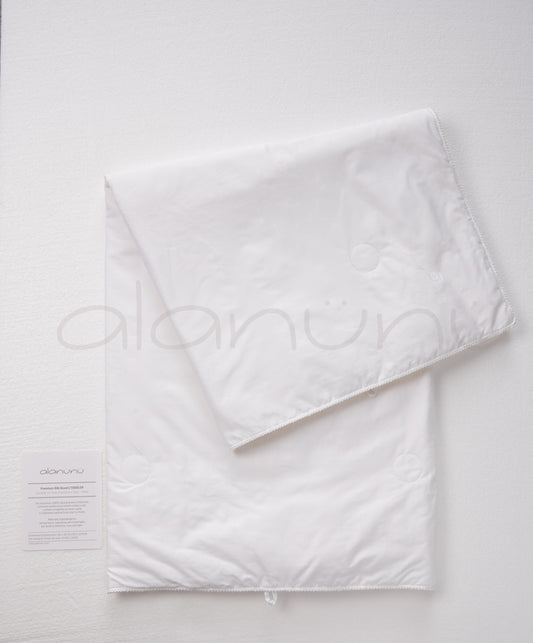
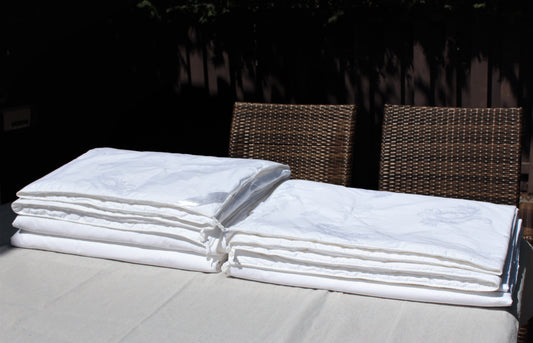
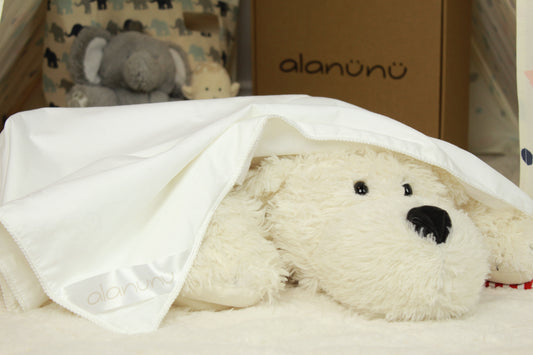
新生儿和幼儿桑蚕丝羽绒被
常规价格 $185.00 CAD常规价格 -
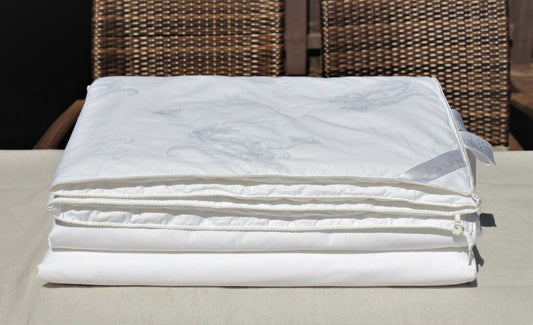
儿童及青少年桑蚕丝羽绒被
常规价格 $385.00 CAD常规价格 -
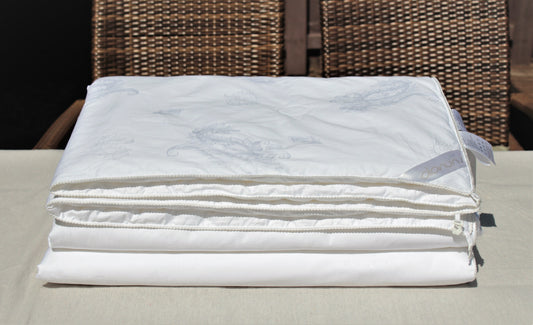
优质桑蚕丝羽绒被 | 春秋系列
常规价格 来自 $515.00 CAD常规价格 -
优质桑蚕丝羽绒被 | ALL SEASONS (DUO-DUVET) 系列
常规价格 来自 $890.00 CAD常规价格




欢迎来到威洛米尔谷


Frequently Asked Questions
This behavior, often called the "Naked Escape," is usually a physical response to overheating or sensory discomfort. Most toddler bedding is made of synthetic polyester or heavy cotton, which traps heat and moisture. When a child’s body temperature rises, they instinctively kick off the covers to cool down, leading to midnight wake-ups when they eventually get cold. Switching to a breathable, temperature-regulating material like mulberry silk allows their body to vent excess heat, keeping them covered and asleep.
While sleep regressions are developmental, they are often exacerbated by environmental stressors. A child already struggling to settle is more sensitive to "itchy" fabrics or feeling "stuffy." Creating a Sensory Sanctuary with low-friction, natural fibers like silk and cashmere minimizes external distractions, helping a restless toddler transition between sleep cycles without fully waking up.
Yes. Mulberry silk is known as "Nature's Smart Fiber" because it can absorb up to 30% of its weight in moisture without feeling damp. Unlike cotton, which gets cold and "clammy" once wet, silk wicks moisture away and dries rapidly. This prevents the "sweat-and-chill" cycle that often causes toddlers to wake up crying for a change of clothes.
Dermatologists often recommend 100% mulberry silk for eczema because it contains a natural protein called sericin, which is hypoallergenic and skin-friendly. Its ultra-smooth, long-strand fibers reduce the friction that causes itching and inflammation. Similarly, pure cashmere is a non-toxic, chemical-free alternative to synthetic fleece, providing warmth without the "scratchiness" of traditional wool.
A Sensory Sanctuary is a sleep environment designed to reduce "Tactile Defensive" triggers. Many children are sensitive to the weight of heavy blankets or the "pilling" on cheap sheets. By using featherlight mulberry silk and soft-touch cashmere, parents can provide the psychological security of being tucked in without the physical burden of heavy weight or irritating textures.
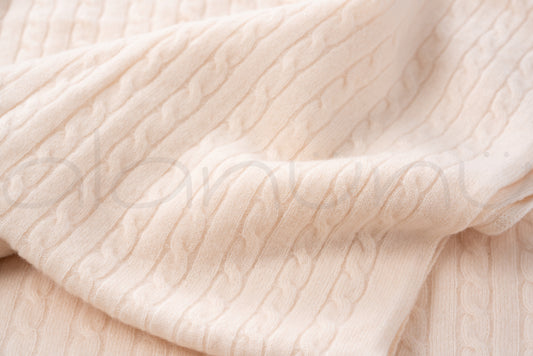
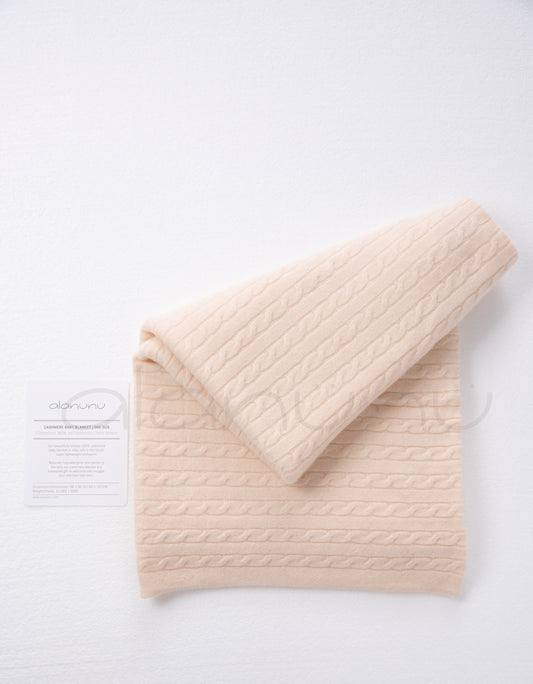
High-quality cashmere is actually a thermoregulating fiber. Because it comes from the soft undercoat of goats living in extreme climates, it is designed to be breathable in the sun and insulating in the cold. It is three times warmer than sheep’s wool but significantly more breathable than synthetic "fuzzy" blankets, making it safe for year-round use for ages 18 months and up.
Mulberry silk is naturally resistant to dust mites, mold, and mildew - the primary triggers for nighttime allergies and asthma. Because silk doesn't trap moisture, it doesn't provide the damp environment that dust mites need to thrive. This creates a "clean-air zone" around your child’s face while they sleep.
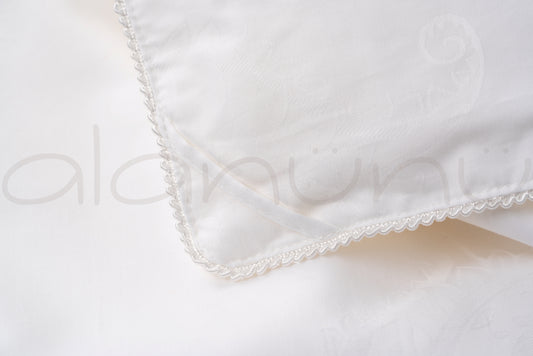
Hand-stretching is an ancient craft where artisans layer silk floss in a cross-grid pattern. This prevents the silk filling from "clumping" or shifting, which is a common problem in machine-made duvets. For a toddler, this means a consistent temperature across the whole bed, preventing cold spots that cause restlessness.
Twin Cocoons are rare instances where two silkworms spin one cocoon together. The resulting silk is naturally more voluminous, fluffy, and resilient. For ALANUNU duvets, we use these to create more "air pockets," which provide superior insulation while remaining incredibly lightweight - perfect for children who feel "trapped" by heavy blankets.
High-quality natural fibers like mulberry silk and cashmere are heirloom investments. Unlike synthetic bedding that breaks down, pills, or loses its thermal properties after a few washes, premium silk and cashmere are durable and actually become softer over time. More importantly, they solve the problem of interrupted sleep, which is essential for a child’s brain development and a parent's well-being.